Walt Hampton, J.D.

Creating the Work & Life You LOVE

A Night In The Museum

A Night In The Museum

The Uffizi Gallery is Florence’s great Renaissance art museum near Piazza della Signoria. Its halls are filled with works by Botticelli, Leonardo da Vinci, Michelangelo, Raphael and Titian.

You can certainly walk through it by yourself. You can admire the paintings, read the little placards on the walls, take some pictures and come away believing you’ve seen the Uffizi.

But to really see it, you need a guide.

A good guide points out the things you would never notice on your own. The symbolism hidden in a painting. The political intrigue behind a commission. The small detail in the corner of a canvas that changes the meaning of the entire work.

The painting was there all along. You simply couldn’t see everything that was there to be seen.

We understand the value of guides in so many areas of life.

The best golfers in the world have coaches. Often several of them. A swing coach. A putting coach. A strength coach. A sports psychologist.

Professional tennis players have coaches working on their serve, their backhand, their conditioning and their mental game. Actors have acting coaches. Singers have vocal coaches.

In the mountains, having a guide can be even more important. The terrain can look perfectly safe to an inexperienced eye while hiding crevasses, avalanche danger or a route that leads nowhere good.

The guide doesn’t climb the mountain for you. But the guide sees things you don’t.

And yet, when it comes to our businesses and our lives, many of us suddenly decide we should be able to figure everything out by ourselves.

We go it alone.

Part of it is pride. Part of it is independence. And part of it is simply that we don’t know what we don’t know.

We all have blind spots. We get too close to our businesses, our relationships, our habits and our ways of thinking. What looks obvious to someone standing ten feet away can be almost impossible to see when we’re standing in the middle of it.

I’ve had coaches for decades. Not because I want someone telling me what to do. And certainly not because I believe a coach has all the answers.

I have coaches because I know I don’t have all the answers.

A good coach helps me step back. Challenges my assumptions. Asks questions I haven’t thought to ask. Calls me on my stories. Sometimes sees possibilities I’ve stopped being able to see for myself.

I believe good coaches have coaches for exactly that reason.

The greatest value of a guide isn’t that they know the path better than you. It’s that they can see the terrain from somewhere you can’t.

You can certainly walk through the museum alone.

You can try to build the business alone. Navigate the transition alone. Overcome the stumbling block alone.

But there may be masterpieces hanging right in front of you that you’ll never really see.

A Vacation From The Vacation

A Vacation From The Vacation

I saw a colleague recently who had been away on vacation for a few weeks.

“How was it?” I asked.

“Good,” he said. Then he paused. “But I’m exhausted.”

They’d been to a lot of places. Seen a lot of sights. Covered a lot of ground.

By the end, he was out of sorts. The kids were out of sorts. Everyone needed some time to recover from the time they’d taken to recover.

They needed a vacation from the vacation.

Taking time away is important. Really important.

We need a break from the routines and demands of our daily lives. We need distance from the inbox, the meetings, the errands and obligations that fill our days.

A change of scenery can be restorative. New places can wake us up and remind us that the world is larger than the small circle of concerns we’ve been carrying around.

But a vacation can easily become another project.

There are reservations to make, routes to plan and sights to see. We race from one experience to the next because we may never be here again, and we don’t want to miss anything.

So we create lists. We organize the days. We measure the success of the trip by how much we managed to fit in.

It starts to look a lot like work.

The location changes. The underlying rhythm doesn’t.

We’re still rushing. Still producing. Still trying to get the most out of every hour.

And we still come home to ourselves.

That may be the part we overlook.

We carry our inner lives with us wherever we go. The restless mind comes along. So does the part of us that needs to be accomplishing something, even when there is nothing that needs to be accomplished.

We may tell ourselves that we need to get away. But sometimes the mad dash to get away is really a mad dash away from ourselves.

Then we come home and begin the cycle again.

Maybe the deeper work isn’t finding a better destination. Maybe it’s learning how to settle our hearts, minds, spirits and souls.

It’s learning how to sit by the water without checking the time. How to take a slow walk without needing it to count as exercise. How to have an afternoon with no agenda and not feel as though the day has been wasted.

That kind of rest can feel uncomfortable at first.

When we’ve spent years equating movement with value, stillness can make us anxious. When we’re accustomed to filling every space, an empty hour can feel like a problem to solve.

But rest isn’t another achievement.

It’s a way of returning to ourselves.

A good vacation doesn’t need to be extravagant. It doesn’t need to cover much ground. It may not even require going very far.

It needs space. It needs ease. It needs enough quiet for us to hear what has been drowned out by the noise of our ordinary lives.

The purpose of a vacation isn’t to come home with more photographs, more stories or a longer list of places we’ve been.

It’s to come home more fully alive.

About Your Rings Per Minute

About Your Rings Per Minute

We go to the grocery store every Saturday morning at 7:00.

Over the years, we’ve gotten to know the people who work there. Rob, the produce manager. Henry at the service desk. Debbie in dairy. Last week, we met Danny, the Coca-Cola vendor who comes in to restock the shelves.

We check out in the same lane every Saturday too. Kendra’s the cashier, and Tammy is the bagger. We’ve always enjoyed the conversation and banter.

How’s your week been? Is your mom feeling better? What are you going to do on your day off?

Small-town stuff, even though our town isn’t all that small.

Lately, though, there’s been a lot less banter and a lot more hurry.

The grocery store chain has decided to evaluate its cashiers based, at least in part, on how many items they scan per minute. They get an RPM score. Rings Per Minute.

The more things you ring up, the better your score. The better your score, the better your chances of keeping your job, getting more hours, maybe earning a raise.

So you can’t waste too much time with idle chit-chat.

Over the last few weeks, we’ve felt something precious beginning to slip away. The time to connect.

There’s nothing wrong with efficiency. Nobody wants to stand in a checkout line for half an hour while their ice cream melts.

But there’s a danger when efficiency becomes the measure of everything.

Because once speed becomes the metric, the conversation with Kendra becomes a problem. Asking about her mom slows things down. A laugh becomes inefficiency. A moment of connection becomes wasted time.

We’re hearing a lot these days about artificial intelligence. People are worried about machines becoming more human, about AI replacing jobs and changing the way we work.

Those are legitimate concerns.

But I wonder whether there’s another danger we should be paying attention to. Long before machines become more human, are we asking humans to become more like machines?

Faster. More productive. More measurable.

We do it in lots of places. We measure billable hours. Calls per day. Patients per hour. Packages delivered. Emails answered. Sales closed. Tasks completed.

Metrics can be useful. But they can also quietly teach us what matters.

And what gets left off the dashboard can begin to disappear.

What if, instead of RPM, we measured SPM?

Smiles Per Minute.

How many customers did you greet by name? How many people left feeling a little lighter than when they arrived? How often did somebody feel seen instead of processed?

Those numbers would be harder to measure.

But they might tell us something more important.

We’re wired for connection. We need the small encounters that remind us we belong to one another. The conversation at the checkout counter. The smile from the barista. The person who remembers your name.

None of it is especially efficient.

But maybe efficiency isn’t always the point.

Saturday morning, we’ll be back in Kendra’s line.

I hope her RPM is good enough to keep the bosses happy.

But I hope there’s still enough room for a smile, a laugh, and a little conversation.

Because some things are worth slowing down for.

Be Messi

Be Messi

In high-altitude mountaineering, we have a mantra we repeat often: “When you’re in a hurry, dress slowly.”

It sounds backward. But in the mountains, hurry can be dangerous.

A rushed knot; a missed buckle; a carabiner clipped to the wrong place; a glove dropped into the wind. Small mistakes can become consequential very quickly.

When the weather is closing in, when the route is unclear, when everyone is tired and the stakes are high, the instinct is to move faster. That’s often exactly when we need to slow down.

Not stop. Not freeze. Slow down enough to become deliberate.

I thought about that while reading a recent piece about Lionel Messi. At 39, surrounded by younger players sprinting, pressing and colliding, Messi walks.

He isn’t disengaged. He’s watching.

He sees who is following him. Who has stopped. Where the space is opening. What may happen next. The game is moving quickly around him, but inside Messi, time has slowed down.

That may be his real genius.

Most of us do the opposite. When business gets chaotic, we speed up.

We answer faster. Schedule more meetings. Make quick decisions. Fill every open space with motion. We confuse urgency with importance, activity with progress, and speed with leadership.

But hurry narrows our vision.

We miss the opening, overlook the obvious, react to the loudest thing in front of us instead of seeing the deeper pattern unfolding underneath it.

The best leaders I know have a different internal clock.

They can step into a difficult conversation without being swallowed by it. They can sit inside uncertainty without rushing toward the first available answer. They can remain calm while everyone else is reacting.

They aren’t slow because they lack urgency. They’re slow enough to see.

The same is true in life. We rush through meals, conversations, weekends and even vacations, always leaning toward whatever comes next. Then we wonder why the days feel full but strangely unlived.

This doesn’t mean we never move quickly. Messi still accelerates. Mountaineers still move fast when the mountain demands it.

But speed works best when it comes after awareness. The pause creates the possibility of precision. It gives us room to choose instead of being driven by urgency of the moment.

So when the pressure rises, resist the urge to rush. Take one breath. Look again.

Notice what everyone else is missing.

Then move.

Be Messi.

The Revolution You Can Lead

The Revolution You Can Lead

We live in a time that often feels dominated by loud voices and contentious debates, where the urgent frequently drowns out the important. Yet, amidst this noise, a simple truth whispers quietly, waiting to be heard: kindness is the revolution we need.

You don’t need grand gestures or public platforms to begin this transformative work. There is no need for legislative approval, divine commandments handed down from on high, or viral social media campaigns. The call to action is far closer and far more accessible—it resides in the heartbeat of everyday interactions.

Consider this: every person you encounter carries their own burdens, battles unseen struggles, and harbors secret hopes. As you step out into your day, imagine the profound impact you could have by choosing to leave each person a little less burdened than you found them. Offer a smile, a listening ear, an understanding nod. The small acts you do can transform the world.

Encourage others to love freely and live authentically, supporting them as they build lives with those who make their hearts feel at home. Embrace the diversity of belief and thought in our world. Whether someone worships differently, or not at all, show respect for their spiritual journey, recognizing that it is as deeply considered as your own.

Reject the idea that life is a zero-sum game, where one person’s gain is another’s loss. Abundance surrounds us—there is enough kindness, enough compassion, enough understanding to go around. Resist the impulse to hoard these riches.

In the end, every life on this planet is finite, every human story a brief chapter in the vast narrative of time. Knowing this, how can you choose anything but kindness? Each moment offers a choice to affirm life or to ignore it, to build up or to tear down, to heal or to wound.

Empathy is a feature of our humanness, not a flaw. So, choose to be an architect of encouragement, a healer of hearts, and a builder of bridges. In doing this, you may just find that the most revolutionary act is also the simplest: just be kind.

Let this be the legacy you choose, the path you walk, and the gift you offer freely, without reservation.

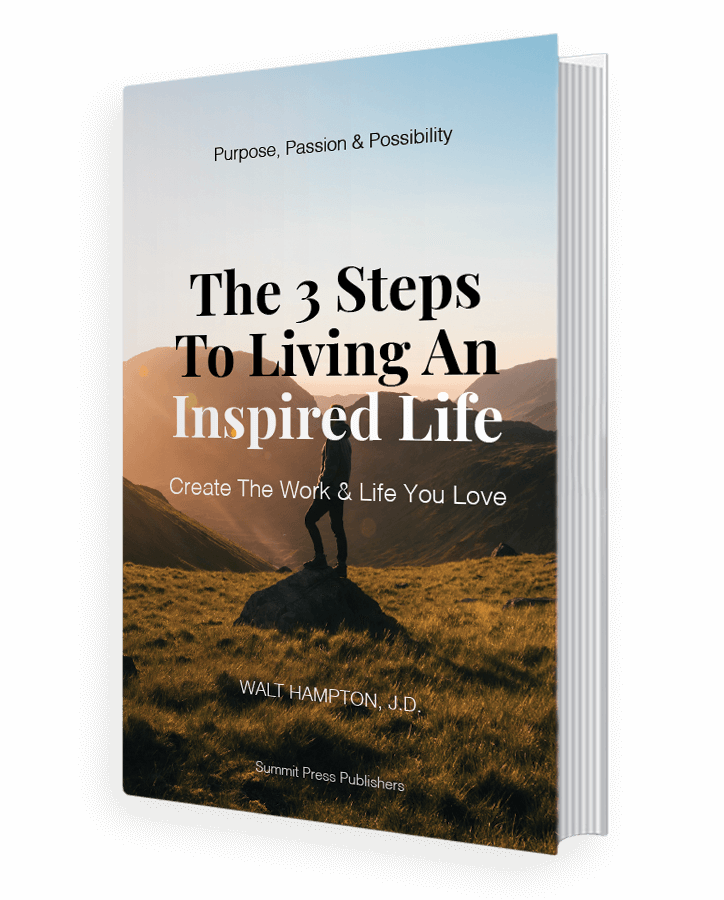
DOWNLOAD your FREE BOOK!

The-3-steps-to-living-an-inspired-life

DOWNLOAD Your Free E-Book NOW! Click Below And Get Going!

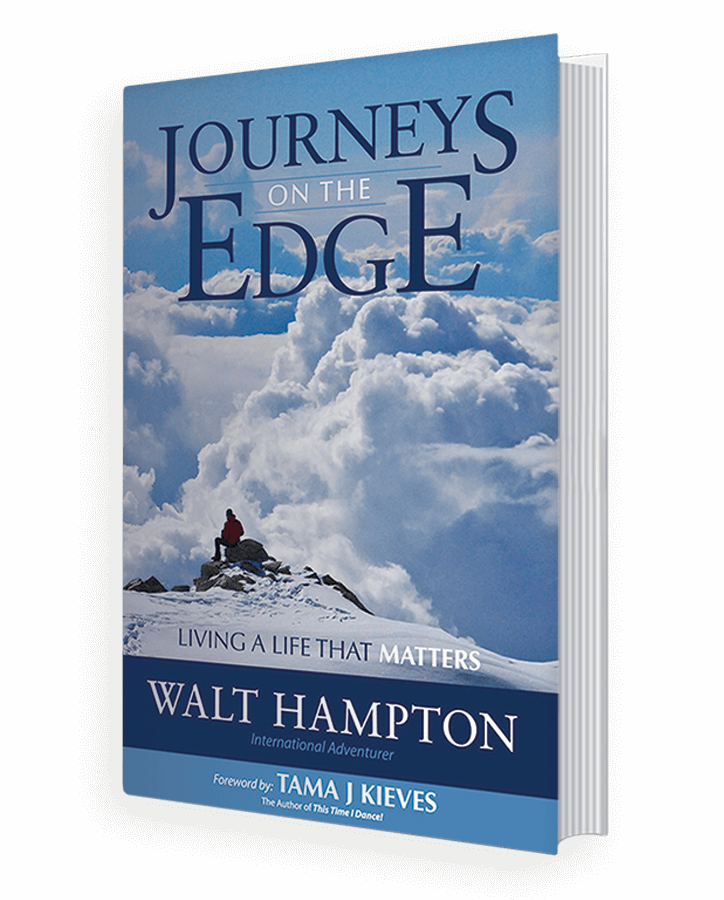
Click on the button for your copy of journeys!

Journeys-On-The-Edge

You’ll Get A Signed Copy!

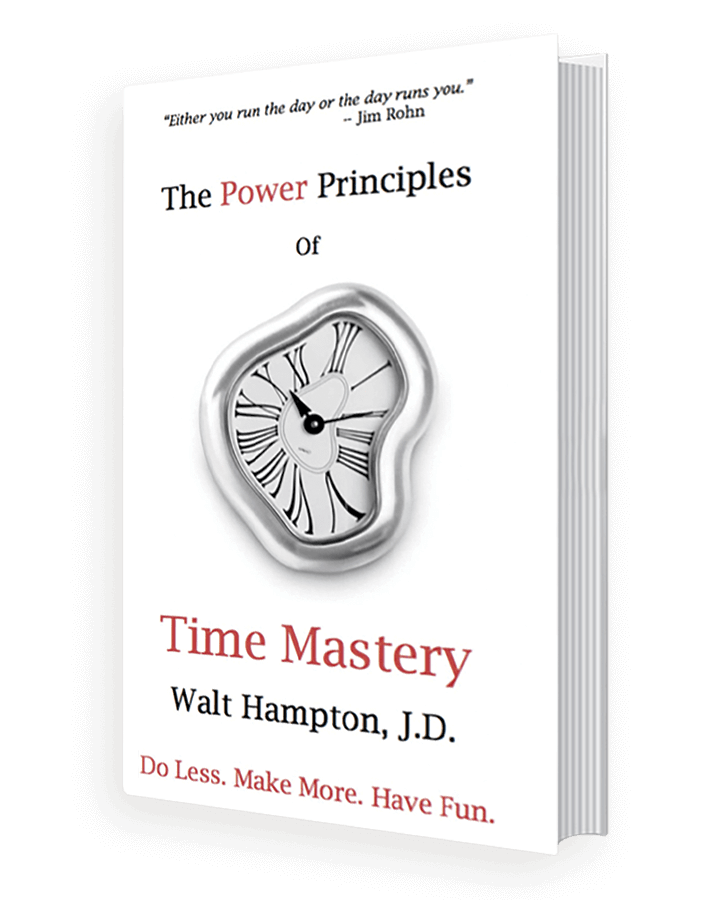
Click on the button for your copy of my brand new book “The power principles of time mastery!”

The Power Principles of Time Mastery

You’ll Get A Signed Copy!

REGISTER HERE

Free Online Training Workshop

Thanks for signing in to the workshop!