Walt Hampton, J.D.

Creating the Work & Life You LOVE

Slow The Roll

Slow The Roll

It’s the first week of December. The air is sharper. The light is thinner. Nature knows what to do this time of year. It slows down.

Many animals hibernate. Many plants go dormant. Even the forests quiet themselves and rest under rising drifts of snow.

And we humans, though we’ve built our bright lights and our busy schedules, are not exempt from the rhythms of the natural world. Researchers tell us that winter brings a kind of biological down-regulation. People often feel more tired, more foggy, more “on empty” by late winter, even when nothing in their external circumstances has changed. This isn’t weakness or failure. It is simply physiology responding to less daylight, shifting melatonin timing, and circadian rhythms slowing their arc.

Our bodies know. Our spirits know. But our culture does not.

Because while nature slows, we speed up.

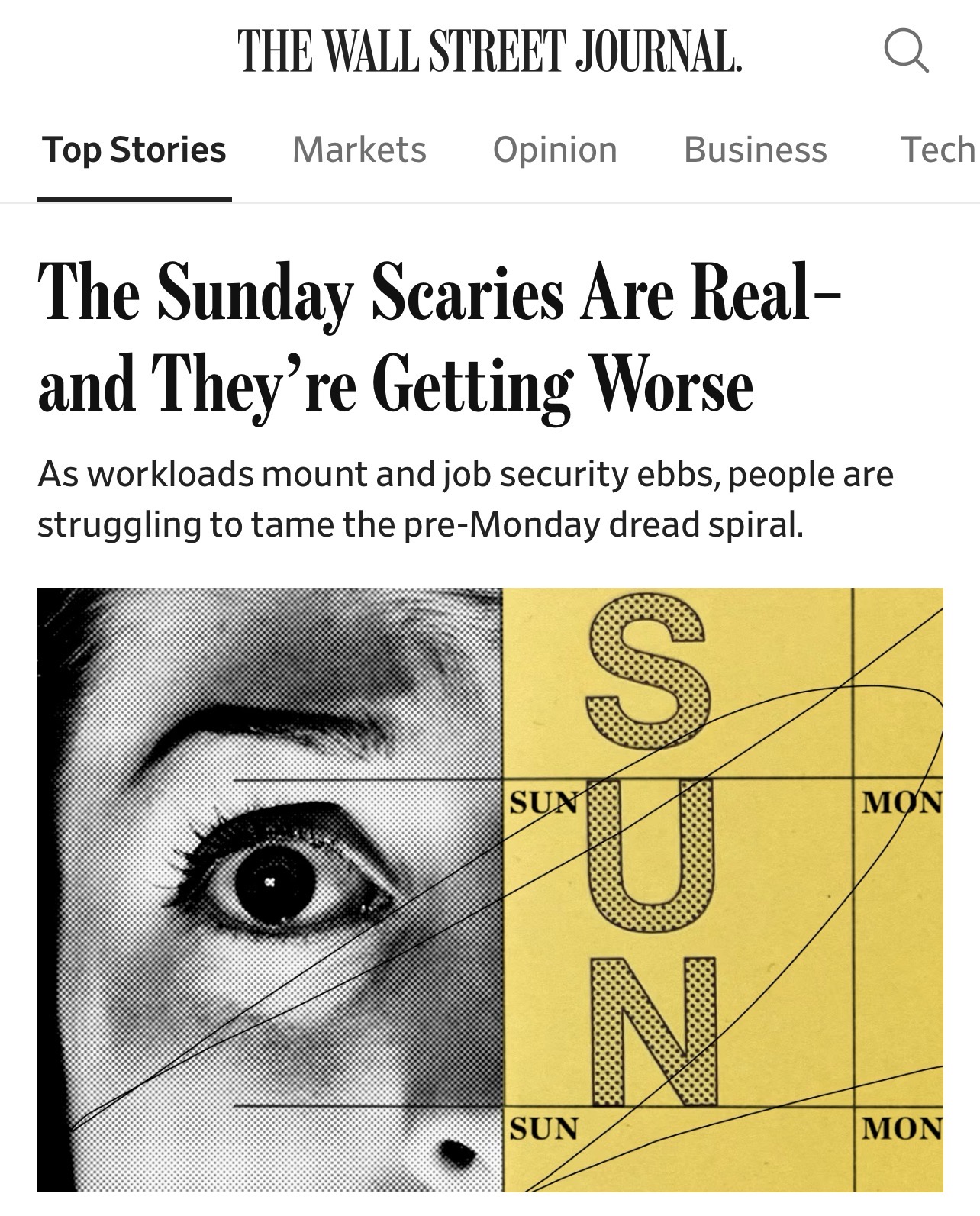
And for those of us wired for high performance, December becomes a kind of final sprint. Deadlines. Deliverables. Deals that must close before the year ends. It’s as if the finish line, suddenly visible, demands everything we have left.

I remember those days clearly. My years as managing partner of a law firm were filled with last-minute negotiations, end-of-year billing, and the relentless pressure to “win the year.” It felt like entering a vortex that kept tightening. Faster. Harder. More. And all of this before the holidays even began.

Then December would unfurl its familiar chaos: gifts to buy, cards to write, travel to plan, events to attend. All those parties, all that rushing, all those obligations layered on top of an already impossible pace.

It could be soul-sucking. And exhausting. And by January 2, I often felt spat out on the other side. Wrung out. Depleted. Disconnected from the joy I hoped the season would bring.

Maybe you know that feeling.

Maybe this year you can already sense the pull. The pressure. The expectation to do it all and do it well, while pretending it’s all merry and bright.

But what if there were another way? Not a perfect way. Not a dramatic reinvention. Just a gentler, more mindful path through these winter weeks. One that honors both the beauty of the season and the truth of your own humanity.

Come with me. Let’s explore what that might look like.

You might begin by lowering the bar. Not everything needs to be done. Not everything needs to be done by you. And not everything needs to be done right now. Give yourself permission to simplify. Fewer commitments. Fewer obligations. Fewer plates spinning in the air.

You might practice saying no. Not harshly. Not defensively. Simply truthfully. A “no” that protects your energy is ultimately a “yes” to the season you want to experience.

You might schedule pauses. Real pauses. Ten minutes in the morning to breathe deeply before the day takes off. A quiet walk during lunch. A hot beverage at night without multitasking. These tiny interruptions can restore you in profound ways.

You might reclaim your mornings. Instead of diving into email or rushing into tasks, set a tone that nourishes you. A little journaling. A moment of stillness. A look out the window at the winter sky before it brightens. Ground yourself before the world grabs hold.

You might try mindful gift-giving. Not more. But less. Gifts that carry meaning rather than volume. Experiences rather than things. Handwritten notes rather than frantic purchases. This alone can shift the entire season.

You might practice tech boundaries. Turn off notifications after a certain hour. Resist the compulsion to check everything immediately. Allow your nervous system the gift of quiet.

And above all, you might allow yourself to rest. When your body asks for it. When your spirit calls for it. You are not a machine. You are a human being moving through a darkening world that is preparing for its own rest.

Slowing your roll doesn’t mean opting out of the holidays. It doesn’t mean disengaging from work. It means moving with intention instead of compulsion. It means choosing presence over pressure. It means remembering that winter invites us into a deeper, softer rhythm—not forever, but for now.

And if you do this, even in small ways, you may find that January 2 feels different. Not like the aftermath of a storm, but like the quiet promise of a new beginning. A beginning you can meet with clarity, energy, and a full heart.

Come with me. There’s another way.

Need help? Let’s talk. Email me: [email protected]

Pathway to Possibility

Pathway to Possibility

It has been a challenging year. No one needs to tell you that. The headlines have been heavy. The markets unpredictable. The culture loud and anxious. Conflicts around the world have shaken the ground under our feet. Many people are carrying more worry than they care to admit. And yet here we are again, arriving at Thanksgiving. A moment set aside to give thanks. A moment that can feel almost out of place in a season like this. And also a moment we may need now more than ever.

Gratitude is not a denial of the hard things. It is not pretending everything is fine. Gratitude is choosing what we will allow to guide our attention. Because what we focus on shapes what we see. When we dwell on what is broken, not working, or chaotic, our minds begin scanning for more of the same. The world looks darker. Options feel fewer. Possibility narrows. But when we consciously shift our gaze toward what is good, toward what is working, toward what remains beautiful and meaningful, our awareness expands. More opportunities appear; more resilience surfaces; more energy returns.

It works the same way your mind suddenly notices the specific car you’ve been thinking about buying. You didn’t summon hundreds of new cars onto the road. You just activated your attention. Gratitude works on the same principle. It heightens your ability to see what has been there all along: the people who show up, the moments of peace, the small wins, the unexpected kindness, the simple pleasures, the new sparks of creativity, the foundations that remain steady even when other things shake.

And here is the real gift: gratitude doesn’t just make you feel better. It makes you more effective. Leaders who cultivate grateful awareness tend to make clearer decisions. They are more grounded under pressure; they connect better, listen better, collaborate better. They have access to more creative problem-solving because their attention is not hijacked by fear or scarcity. Gratitude creates inner space. And from that space, new ideas, new solutions, and new pathways begin to emerge.

This doesn’t mean ignoring pain, uncertainty, or loss. It means letting gratitude act as a counterweight. A stabilizer. A way of remembering that there is always more happening than whatever crisis happens to be loudest today. Gratitude softens the edges and opens the door to perspective. It helps us see beyond the narrow tunnel of worry and into a wider horizon where possibility still lives.

And this is the deeper truth: gratitude turns us toward the future. When we practice gratitude, even for small things, we are signaling to ourselves that there is still something worth investing in. Still something worth hoping for. Still something unfolding. Gratitude keeps us open. And in that openness, new possibilities begin to take shape—possibilities far beyond what we could imagine when we’re locked in fear or contraction.

So as we enter this holiday, take a moment. Breathe deeply. Notice something good. Something simple. Something that reminds you that life still offers beauty, connection, meaning, and possibility. Let that awareness be an anchor for you in the days ahead.

I wish you and yours a happy Thanksgiving.

Planting For The Future

Planting For The Future

I’d been putting off the task. As I do.

But the nights had been pretty cold for the last few weeks; and now, snow was in the forecast.

So it needed to be done.

Now or never.

Planting the daffodil bulbs.

The light was low that day. The sky a steel grey. And a brisk November wind was stripping the trees of those last stubborn leaves.

As I knelt and dug on the hard ground, I was overcome by strong waves of emotion.

An old archbishop friend once said, “The seeds of spring blow on the cold winds of November.”

And I was aware that planting bulbs is an act of faith. Of hope. That spring will come. That what we plant will grow.

It struck me in that moment how much of our lives depend on this same quiet trust. We plant long before we see anything happen. We put something into the ground knowing the winter will come and stay. We take action without any guarantee of timing or outcome. And still, we plant.

And yet, these past months, the world has felt heavy. Darker than usual. The news cycles. The uncertainty. The fatigue that settles in when we try to make sense of too much. It is easy to feel that our planting doesn’t matter. That our efforts barely make a dent. That maybe waiting for a “better season” makes more sense.

But here is the truth I remembered as I pressed those bulbs into the cold earth: the planting we do in the dark is the planting that transforms us. Anyone can sow in the sunshine. Anyone can take bold steps when everything feels light and easy. But planting in November, whether literally or figuratively, is what shapes our character. It is what sets the stage for the life we want next.

Every dream worth pursuing asks something of us long before it offers anything back. The new business. The book. The product. The program. The next chapter we can feel but cannot yet fully see. All of them require faith. All of them require a willingness to kneel in the cold, dig into hard ground, and bury something small with the trust that it will become something beautiful.

Most people wait for certainty. For green shoots. For signs that the timing is perfect. But life doesn’t work that way. Growth does not come to those who wait for ideal conditions. It comes to those who take the step, however small, and trust that spring follows winter as surely as morning follows night.

So plant.

Even when you feel discouraged. Even when the world feels unsteady. Even when your confidence is shaky and your vision is blurry. Plant anyway.

Because planting is not about the immediate return. Planting is about declaring that you still believe in what is possible. It is about staking a claim in the future you want, even while standing in a present that feels uncertain.

Those bulbs will rest now in the dark. They will sleep under snow and ice. Nothing will look different for months. But something powerful will be happening just below the surface. Roots will take hold. Energy will gather. And before long, those first green shoots will push through, quietly insisting that hope was never misplaced.

And so it is with your dreams.

What you plant now will grow.

Need help? Let’s talk. Email me: [email protected]

When You’re Not Afraid

When You’re Not Afraid

When I was a lawyer, I was successful. I was making good money. On the outside, it looked like I had it made.

But on the inside, I was miserable. The work didn’t light me up. It drained me. I remember sitting in my office one night long after everyone else had gone home, looking out over the city, and thinking, Is this it? Is this what I’m going to do for the rest of my life?

I had a vision for something different. I wanted to create a coaching practice. To help people live more intentional, fulfilling lives. But the chasm between where I was and where I wanted to be felt terrifying. Too vast to cross.

So, I stayed stuck. For years.

Looking back, I see it clearly now. It wasn’t the lack of opportunity that held me back. It wasn’t the market, the timing, or my obligations. It was fear. Pure and simple.

Fear of failure.

Fear of what others would think.

Fear of losing what I had, even if what I had was slowly killing me inside.

The truth is, fear is one of the most powerful forces in the world. It can keep us trapped in jobs we hate, in relationships that don’t serve us, and in stories that no longer fit who we’re becoming.

And right now, there’s a lot of fear in the air. Cultural fear. Political fear. Financial fear. The world feels uncertain. And when fear is in the air, paralysis follows. People stop creating. They stop imagining what might be possible. They hunker down and play small.

That’s what fear does. It convinces us to trade our dreams for safety.

Susan Jeffers wrote a wonderful book years ago called Feel the Fear and Do It Anyway. The premise is simple. Fear never really goes away. Waiting for fear to disappear before we take action is like waiting for the wind to stop before setting sail. It’s not going to happen.

The only way to move forward is to do it scared.

Those three words, “do it scared,” have become a mantra for me and for so many of my clients.

When a client tells me they’re stuck, one of my favorite questions to ask is, “What would you do if you weren’t afraid?” It’s amazing how that one question can open the door to possibility. You can see the light flicker on in their eyes. The energy shifts. They start to imagine a different story.

Because when we set fear aside, even for a moment, we remember that we have power. We remember that the only way forward is through.

Here’s what I’ve learned: courage isn’t the absence of fear. It’s action in the presence of fear. Every meaningful thing you’ve ever done, you’ve done while afraid. The first day of school. The first big presentation. The first time you said, I love you.

You didn’t wait until you weren’t afraid. You just did it anyway.

If you find yourself feeling stuck right now – unsure of what comes next, overwhelmed by the noise of the world – try this:

Take a few quiet minutes today. Close your eyes. Breathe. Ask yourself, What would I do if I weren’t afraid?

Then listen.

The answer might surprise you. It might be small—an email to send, a phone call to make, a boundary to set. Or it might be big—a business to start, a move to make, a new chapter to begin. Whatever it is, take one small step toward it.

Don’t wait for the fear to go away. It won’t. But it will shrink with each step you take. Because action dissolves fear.

That’s how we grow. That’s how we create lives that matter.

If I had waited until I wasn’t afraid to leave law and begin coaching, I’d still be in that office, looking out over the city lights, wondering what could have been.

Don’t let that be your story.

Do it scared. Feel the fear and move forward anyway.

When you’re not afraid, the world opens up. And you realize it was never as big a leap as you thought.

Need help? Let’s talk. Email me: [email protected]

Hello Darkness

Hello Darkness

To everything there is a season, and a time to every purpose under the heaven: A time to be born, and a time to die; a time to plant, and a time to pluck up that which is planted; A time to kill, and a time to heal; a time to break down, and a time to build up; A time to weep, and a time to laugh; a time to mourn, and a time to dance; A time to cast away stones, and a time to gather stones together; a time to embrace, and a time to refrain from embracing; A time to get, and a time to lose; a time to keep, and a time to cast away; A time to rend, and a time to sew; a time to keep silence, and a time to speak; A time to love, and a time to hate; a time of war, and a time of peace.

— Ecclesiastes 3:1-8

We just turned the clocks back.

The shadows here in New England have begun to fall by mid-afternoon.

I rail against it. 

Some find the dark cozy and embracing. They relish the long evenings in front of the fire. They embrace the dark.

I hate it.

I love the Alaska Range in the summer: the long endless days and the midnight sun.  I’d jump from a bridge if I lived there in the winter.

Of course, many folks have taken care of this by moving to places like Southern California, or Belize.  And there are many more who embrace the changing seasons with greater equanimity than I.

But the seasons of change can be another matter altogether.

Most all of us get used to our routines. Constancy is safe. Secure.

We like predictability.

Anything that disrupts the status quo is, well, disruptive.

We fight change. I do. Yet change is really the only constant.  It is the rhythm of things. High tide and low; ’til death do us part, or sooner; daytime and night;  in sickness and in health; drought and flood; in good times and in bad; carry days and rest days; generativity and the dark night of the soul.

The legendary Jim Rohn taught so eloquently on the seasons of life:  The seasons always come, Rohn said.  “You cannot change the seasons but you can change yourself.”

Winters always come.  And there are all kinds of them, Rohn said. “There are economic winters, when the financial wolves are at the door; there are physical winters, when our health is shot; there are personal winters when our heart is smashed to pieces.”

Use winter to get stronger, wiser, better.  Get ready for the Spring, Rohn said.  It always follows winter.

“Opportunity follows difficulty.”  Take advantage of the Spring.  Till the earth.  Plant.

In the Summer, nourish and protect.   “Every garden must be defended in the summer,” Rohn taught.  The garden of values – social, political, marital, commercial-  the garden of ideas, the garden of all that is good. Be on watch over your garden in the summer.

Reap what you have sown in the fall.  Take responsibility for what you did not sow, for what you did not protect.  But celebrate the harvest.  “Learn to welcome the fall without apology or complaint,” Rohn said.

Embrace the seasons of our lives.  Know them. Use them.

Why do we fight so what is so?

To be with change, to be in its flow; to experience the shifting sands with open hands and open hearts.  To have the courage to accept and say: “and this too.”  Cherish this challenge. It is all we really have.

The seeds of new life blow on the cold winds of November. Winter will come.  But so will Spring.  It is the rhythm of things.

To live fully, deeply into each season of our lives: this is what we are called to do.

Every year we have been witness to it: how the world descends

into a rich mash, in order that it may resume.  And  therefore who would cry out

to the petals on the ground to stay,  knowing as we must, how the vivacity of what was is married

to the vitality of what will be?  I  don’t say it’s easy, but what else will do

if the love one claims to have for the world be true?  So let us go on

though the sun be swinging east, and the ponds be cold and black and the sweets of the year be doomed.

— Mary Oliver

________________________________________________

Want some support through a season of change? Let’s talk. Email me: [email protected]

And stop by for a visit at: https://summit-success.com/

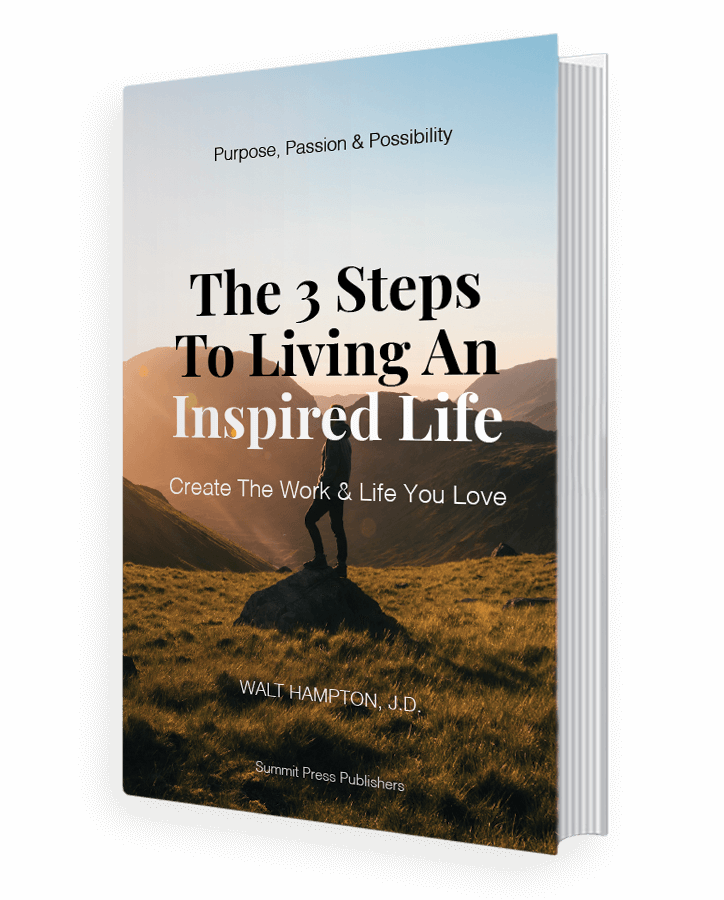
DOWNLOAD your FREE BOOK!

The-3-steps-to-living-an-inspired-life

DOWNLOAD Your Free E-Book NOW! Click Below And Get Going!

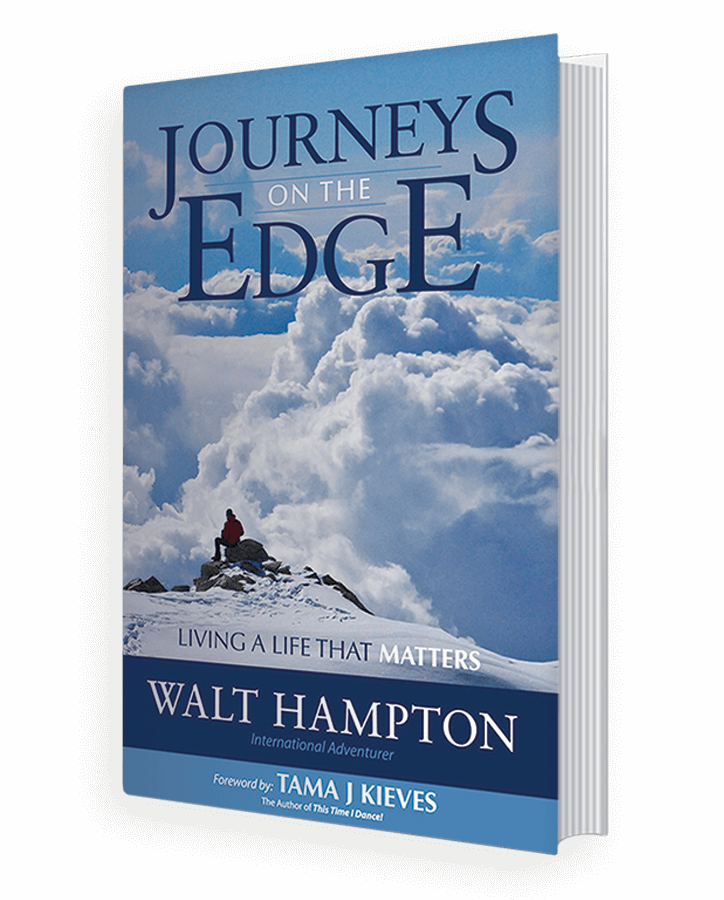
Click on the button for your copy of journeys!

Journeys-On-The-Edge

You’ll Get A Signed Copy!

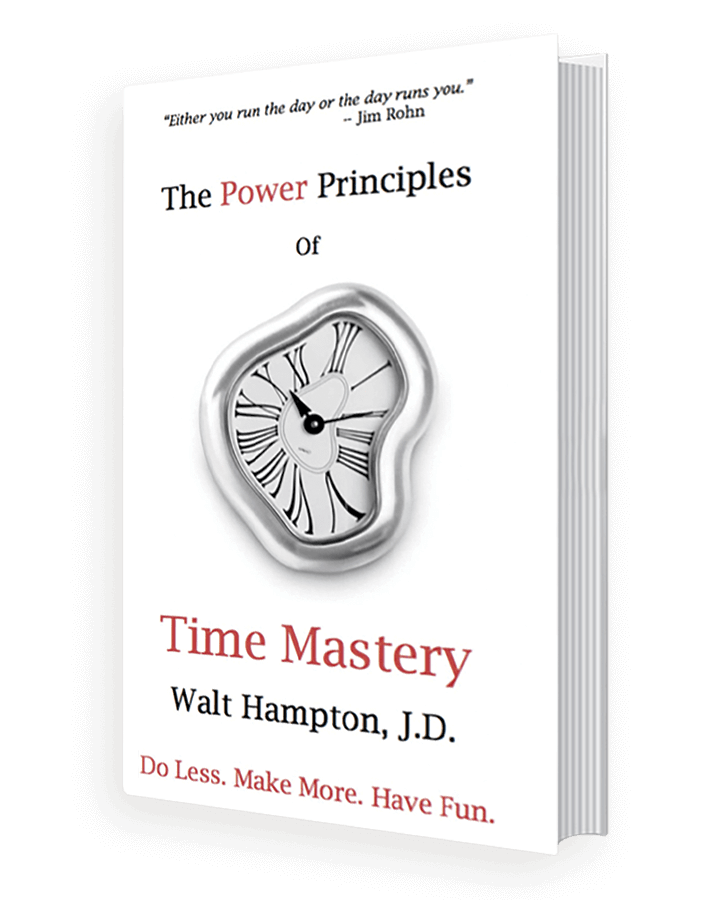
Click on the button for your copy of my brand new book “The power principles of time mastery!”

The Power Principles of Time Mastery

You’ll Get A Signed Copy!

REGISTER HERE

Free Online Training Workshop

Thanks for signing in to the workshop!