Walt Hampton, J.D.

Creating the Work & Life You LOVE

The Hidden Cost of Busyness

The Hidden Cost of Busyness

No doubt you’re busy. Which might be a good thing.

But, what’s easy to miss is that busyness has a cost. A cost many professionals don’t recognize until a lot of time has already slipped by.

When your days are packed from morning to evening, your attention starts to fragment. One thing rolls into the next. Emails, texts, meetings, conversations, more emails. The day moves quickly, and by the time evening arrives you’re worn out from the pace of it all.

Yet if you pause for a moment and look back on the day, something unsettling can appear. You were active for hours. But the work that truly matters didn’t move very far forward.

Busyness can create the feeling of productivity without delivering real progress. The activities fill the calendar, but the important work remains untouched.

Meaningful work rarely happens in the cracks between interruptions. It needs space. It requires the kind of focus that only comes when the noise quiets down and your attention can settle on one thing long enough for real thinking to occur.

Most people don’t give themselves that kind of space. Instead they live in a constant state of reaction, responding to the next email, the next request, the next thing demanding attention.

Over time, days blur into weeks and weeks blur into months. A tremendous amount of energy gets spent simply maintaining motion rather than creating meaningful momentum.

I see this all the time in my coaching work. Talented professionals and capable entrepreneurs are working incredibly hard, yet their energy is scattered across too many directions. Their calendars are full, their inboxes are overflowing, and their attention is constantly being pulled toward the next urgent demand.

The problem usually isn’t effort. Most of these people are working very hard.

The real issue is focus. Without protected time to think, plan, and build something meaningful, even very capable professionals can find themselves spinning their wheels.

The people who move forward most consistently tend to operate differently. They guard their attention carefully. They block time for the work that matters most and become selective about what earns a place on their calendars.

And the most successful of all open up be swaths of time for thinking and reflection.

This can feel pretty uncomfortable at first. Saying no to meetings or requests doesn’t always come naturally, and leaving open space in the day can seem almost irresponsible in a culture that celebrates constant activity.

But that space is exactly where clarity emerges. It’s where strategy begins to form and meaningful work finally starts moving forward.

Busyness may look impressive from the outside. But real progress comes from focus, intention, and the willingness to step out of the noise long enough to do the work that truly matters.

So the question isn’t whether you’re busy. Most professionals are.

The better question is this. Are you busy with the things that actually move your life and work forward?


Are You An Innie or An Outtie

Are You An Innie or An Outtie

I spoke this past week at a large leadership and organizational development program.

Big room. High energy. Smart people. Strong engagement. I was fully on. Focused. Present. Connected.

It was an amazing day.

And when it was over, I felt like I needed three days of solitude to recover.

If you’ve read Quiet by Susan Cain, you know what I’m talking about. She reframed our culture’s bias toward extroversion and gave language to something many high performers feel but don’t articulate.

I’m what she’d calls a highly compensating introvert.

I’m not shy.

I love people.

I speak on big stages. I teach. I facilitate. I coach leaders in complex situations. I love it all.

But it costs me energy.

After a full day of presenting, I don’t want to go to dinner with twenty people. I want a long run. A quiet room. A book. Silence.

Extroverts recharge by being around others. They seek out gatherings. They’re energized by noise and movement.

Introverts recharge by pulling inward. They think before they speak. They often go deep rather than wide. They need space to process.

Neither is better.

Both are powerful.

But if you don’t understand how you’re wired, you’ll mismanage your energy. And energy management is leadership.

Many professionals burn out not because they can’t handle the work, but because they’re constantly operating against their wiring.

The introverted executive who stacks back to back meetings all day and wonders why they’re depleted by Thursday.

The extroverted founder who isolates for days and can’t figure out why they feel flat and unmotivated.

This isn’t a personality quiz exercise. It’s operational strategy.

When you know you’re an Innie, you schedule recovery time after high output events. You block quiet thinking time. You push back on open office chaos when you can. You build rhythms that allow depth.

When you know you’re an Outtie, you design connection into your week. You use live conversations to think. You leverage collaboration instead of fighting for isolation.

And if you lead a team, this awareness becomes even more critical.

Open office plans are brutal for many introverts. Constant Slack pings fracture deep work. Endless group brainstorming sessions drain the quieter thinkers who may have the most nuanced insights in the room.

On the other hand, a culture that prizes silence and independent work can unintentionally sideline extroverts who process best in dialogue.

As a leader, your job isn’t to create one dominant culture. It’s to create an environment where both styles can thrive.

That might mean quiet zones. It might mean structured agendas so meetings don’t turn into verbal wrestling matches. It might mean sending materials in advance so reflective thinkers can prepare. It might mean building in informal gatherings for those who come alive in connection.

When people operate in alignment with how they’re wired, performance improves.

So does morale.

So does retention.

I know now that after a big speaking engagement, I need space. I don’t fight that anymore. I plan for it.

That simple awareness lets me show up fully when I’m on stage. And fully present when I return to my team and clients.

Are you an Innie or an Outtie?

There’s no right answer.

But there is a right strategy.

Know how you’re built.

Honor it.

Design around it.

And help your people do the same.

Need help? Let’s talk. Email me: [email protected]

OR

For The Love Of It

For The Love Of It

You could see it immediately.

Alysa Liu stepped onto the ice at the 2026 Winter Olympics and she was smiling. Not performing a smile. Not projecting confidence. Smiling because she was about to have fun.

The New York Times described her as a skater driven by love, not pressure.

Alysa Liu Trusted Her Artistry. She’d already retired once. She came back on her own terms. And when she won gold, she did it with what the critic called “no nerves whatsoever.”

That’s rare air.

Most competitors fight the ice. You can see the tension in their shoulders. The calculation in their eyes. The fear of missing a jump.

Liu looked like water moving over a frozen surface. Fluid. Loose. Alive.

She wasn’t skating to win. She was skating to express.

She was skating for the love of it.

When someone’s working from joy instead of fear, you feel it. When someone’s so deep in their craft that they disappear inside it, you feel that too. The Times wrote that you couldn’t see Alysa thinking.

That’s flow. That’s mastery meeting freedom.

That’s what it looks like when someone’s found their art.

And most people assume that’s reserved for prodigies. Or Olympians. Or the lucky few.

It isn’t.

There’s a version of your professional life where you’re no longer white knuckling it. No longer performing competence. No longer driven primarily by comparison or fear.

There’s a version where you move like water.

Where the work feels natural. Where your strength is buffered by softness. Where the edges and bumps of the marketplace don’t rattle you because you’re flexible enough to adapt.

Where you do the work for the love of it.

That doesn’t mean it’s easy. Liu trained for years. She retired. She came back. Practice became what Martha Graham once called a “dedicated precise set of acts” that shape achievement.

Joy doesn’t eliminate discipline.

It transforms it.

When you’re doing work aligned with who you are, practice stops feeling like punishment. It becomes refinement. You’re no longer chasing applause. You’re deepening expression.

That’s a different energy.

I see too many professionals chasing the quad jump. The next title. The external validation. They skate hard. They land clean. But there’s no light in their eyes.

They’re competing.

Not creating.

There’s another way.

You can build a business rooted in your own artistry. You can design work that fits your temperament. You can choose projects that make you lose track of time.

You can come back to your craft on your own terms.

And when you do, something shifts. The market feels different. Clients feel different. You feel different.

You’re no longer trying to survive the ice.

You’re dancing on it.

For the love of it.

Crisis and Opportunity

Crisis and Opportunity

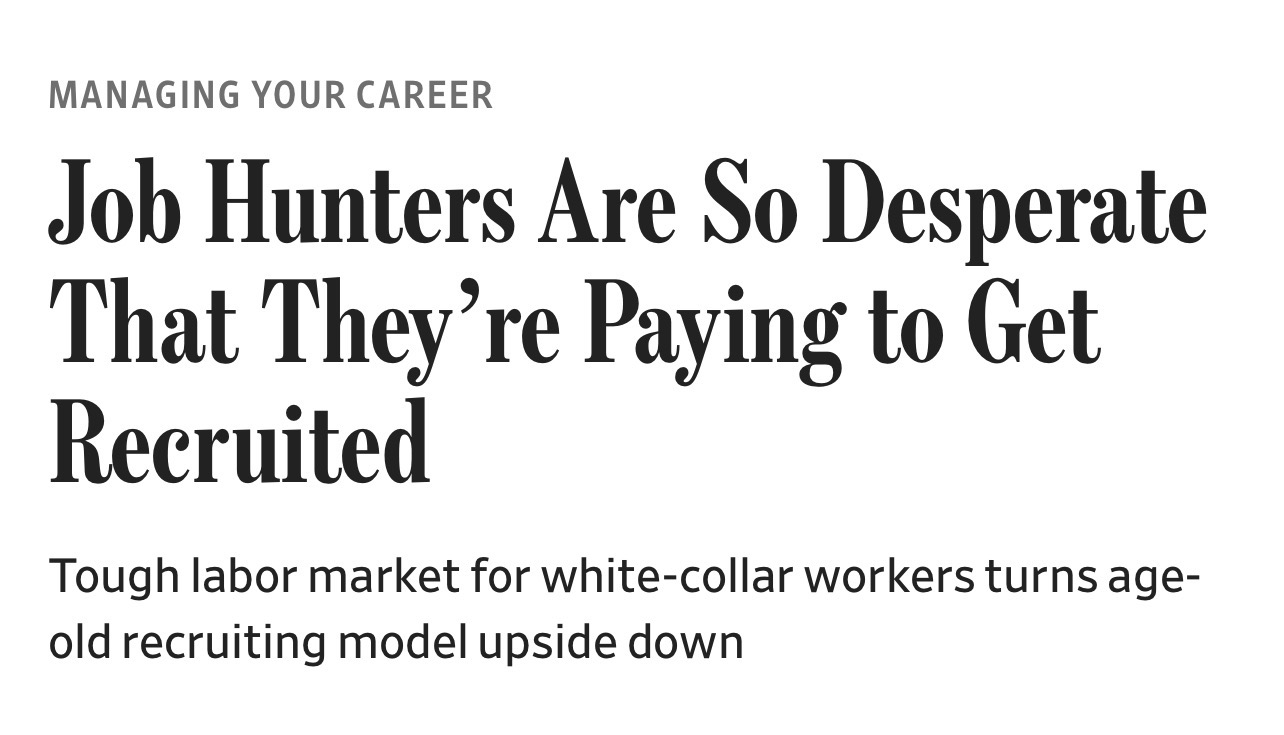
The headlines this past week were a bit unsettling.

Job hunters are paying to get recruited.

At first glance, it looks like desperation. Another sign that white-collar work is collapsing under pressure.

But that’s not the real story.

What’s actually happening is that the old deal is breaking.

For decades, professionals were sold a simple promise. Do good work. Build a résumé. Stay loyal. And in return, employers would offer stability, identity, and a future.

That bargain is gone. Not because people failed, but because the system changed.

Algorithms now screen résumés before humans ever see them. Recruiting has been industrialized. Platforms decide who gets visibility. Experienced, capable people are increasingly invisible inside systems that no longer recognize depth.

So yes, people are paying to get recruited.

But what we’re really seeing is the collapse of dependence on employers as a viable long-term strategy.

There’s an old teaching often associated with the Chinese character for crisis. One set of brush strokes points to danger. Another points to opportunity. Whether the etymology is perfect doesn’t matter. The wisdom holds.

This moment contains both.

The danger is obvious. Longer job searches. Less leverage. A growing sense of powerlessness.

The opportunity is quieter, and far more important.

The market is forcing professions to ask a better question. Not “How do I get hired?” but “What do I actually know how to do?”

That question changes everything.

When you step outside the employment frame, experience looks different. Years of work aren’t just credentials. They’re assets. Pattern recognition. Judgment earned under pressure. The ability to steady others and see around corners.

Those things don’t live on résumés. They live in relationships.

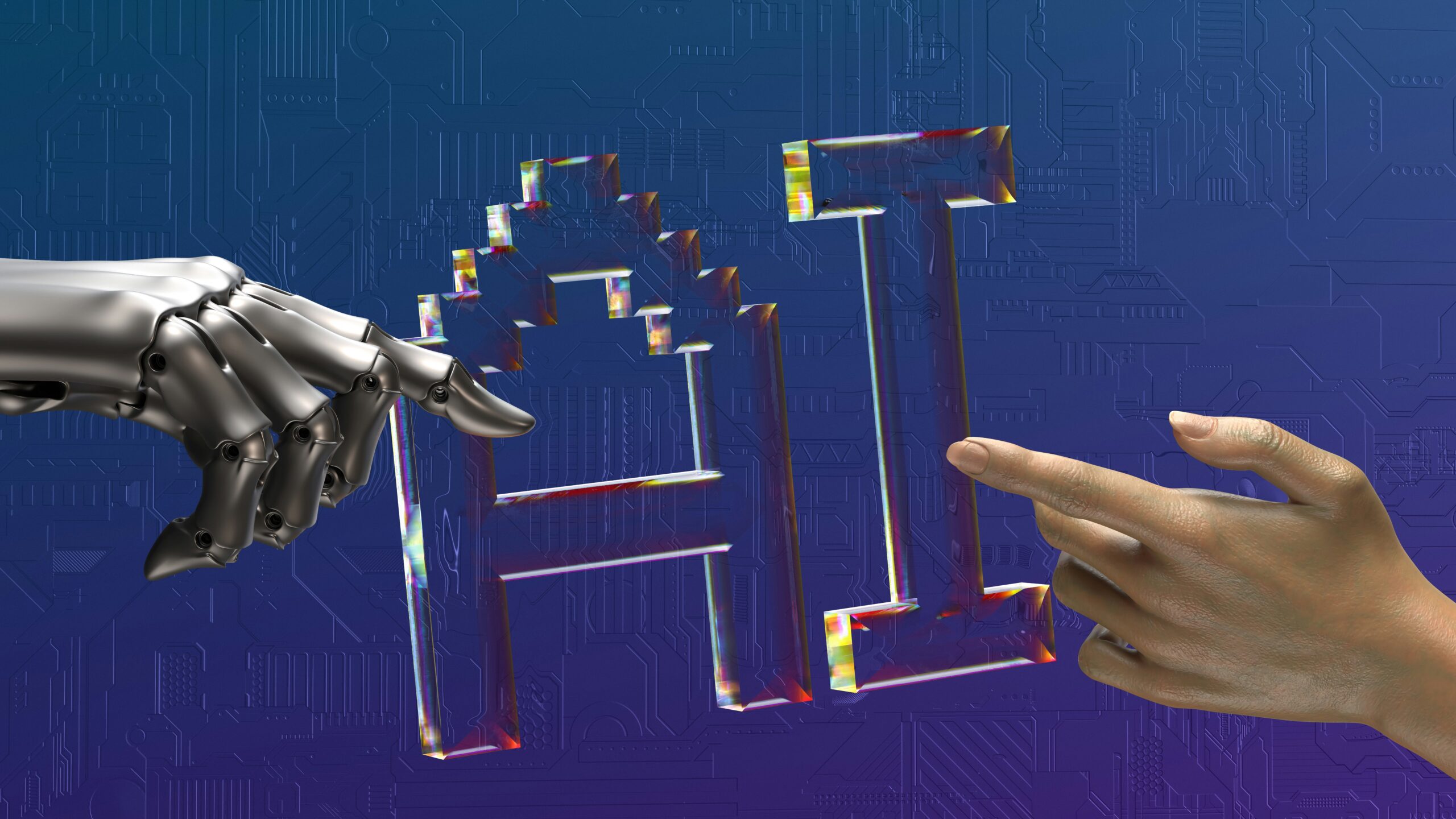
This is where AI clarifies rather than threatens.

AI will replace tasks. It will accelerate production. It will commoditize routine work.

What it will not replace is trust. Discernment. Context. Or the quiet authority that comes from having been there before.

That is the work of consultants, coaches, advisors, and guides.

Not influencers. Not gurus. But people who can sit across the table and say, “Here’s what I see. Here’s what I’d do. Here’s how I can help.”

Deep relationships are no longer a bonus in this economy. They are the economy.

Which means this moment, unsettling as it feels, is also an invitation.

An invitation to stop begging broken systems; stop outsourcing your worth; and claim authorship over your own work.

The future doesn’t belong to those who optimize themselves for algorithms.

It belongs to those who know how to work with people, earn trust, and create value in real time.

That’s not bad news.

That’s very good news.

Curious? Email me: [email protected]

Screenshot
AI Fear

AI Fear

There’s a quiet fear moving through professional life right now.

It doesn’t always show up as panic. More often, it shows up as distraction, overworking, or a low-grade sense of unease. A feeling that something fundamental is shifting and no one’s quite sure where they land in it.

AI has become the symbol of that fear. Not because it’s evil or omnipotent, but because it’s fast, impressive, and everywhere. It writes; summarizes; analyzes; and performs tasks that once required years of training.

So the question lingers. What happens to people in the middle of their careers? And what happens to leaders trying to steady teams while the ground keeps moving?

Years ago, before the current wave of AI anxiety, Cal Newport offered a quiet but important insight in his book Deep Work.

He argued that the most valuable skill in a knowledge economy is the ability to do deep work. The capacity to focus without distraction on complex, demanding problems. To learn hard things. To produce work of real substance and quality.

That capacity, he noted, is increasingly rare. And because it’s rare, it’s increasingly valuable.

AI is excellent at speed. It’s excellent at pattern recognition. It’s excellent at generating plausible output.

What it can’t do is choose meaning. It can’t hold intention, or stay with ambiguity long enough for wisdom to emerge. It can’t decide what matters, why it matters, or when restraint is more important than efficiency.

Those are human acts. And they require depth.

For mid-career professionals, this isn’t a call to compete with machines at what machines do best. It’s an invitation to reclaim what made your work meaningful in the first place. Judgment. Context. Discernment. The ability to see the whole, not just the task.

For leaders, this isn’t about chasing every new tool or calming every fear. It’s about modeling attention. Creating cultures where thinking is valued, not just reacting. Where learning is intentional, not frantic. Where people are trusted to do work that requires care and presence.

The future will reward those who can use powerful tools without being ruled by them. Those who can move fast when needed, but slow down when it matters. Those who can still pay attention in a world designed to fracture it.

AI will change how work gets done. That’s unavoidable.

But depth, judgment, and meaning remain stubbornly human.

And they’re not going out of style.

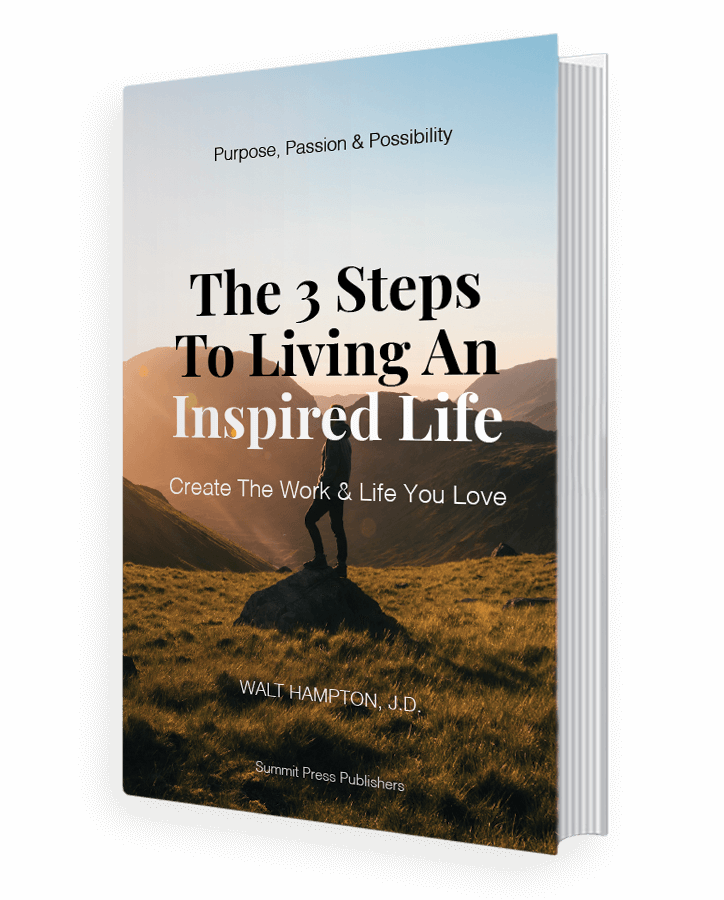
DOWNLOAD your FREE BOOK!

The-3-steps-to-living-an-inspired-life

DOWNLOAD Your Free E-Book NOW! Click Below And Get Going!

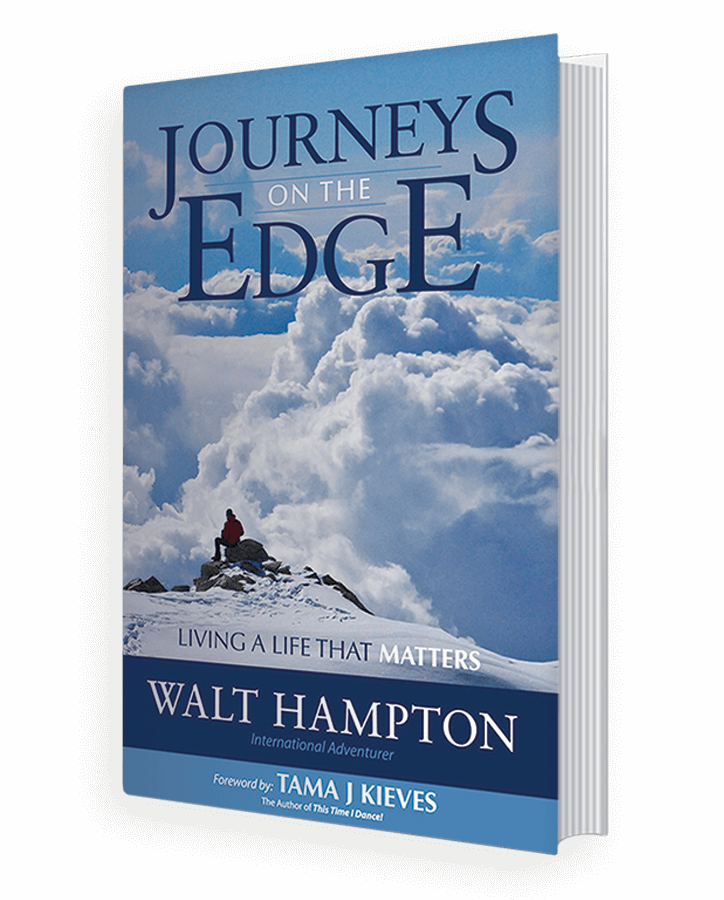
Click on the button for your copy of journeys!

Journeys-On-The-Edge

You’ll Get A Signed Copy!

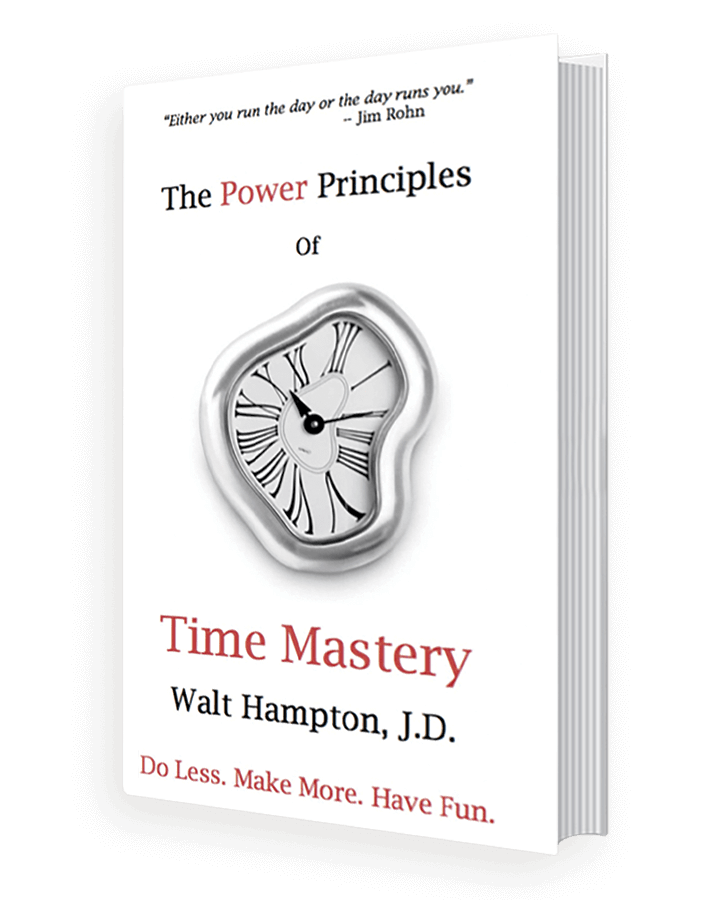
Click on the button for your copy of my brand new book “The power principles of time mastery!”

The Power Principles of Time Mastery

You’ll Get A Signed Copy!

REGISTER HERE

Free Online Training Workshop

Thanks for signing in to the workshop!